30 April 2026
The Institute for Nature Protection of Kosovo expresses concern regarding the repeated practice of feeding wild animals in their natural habitats at several locations across Kosovo.
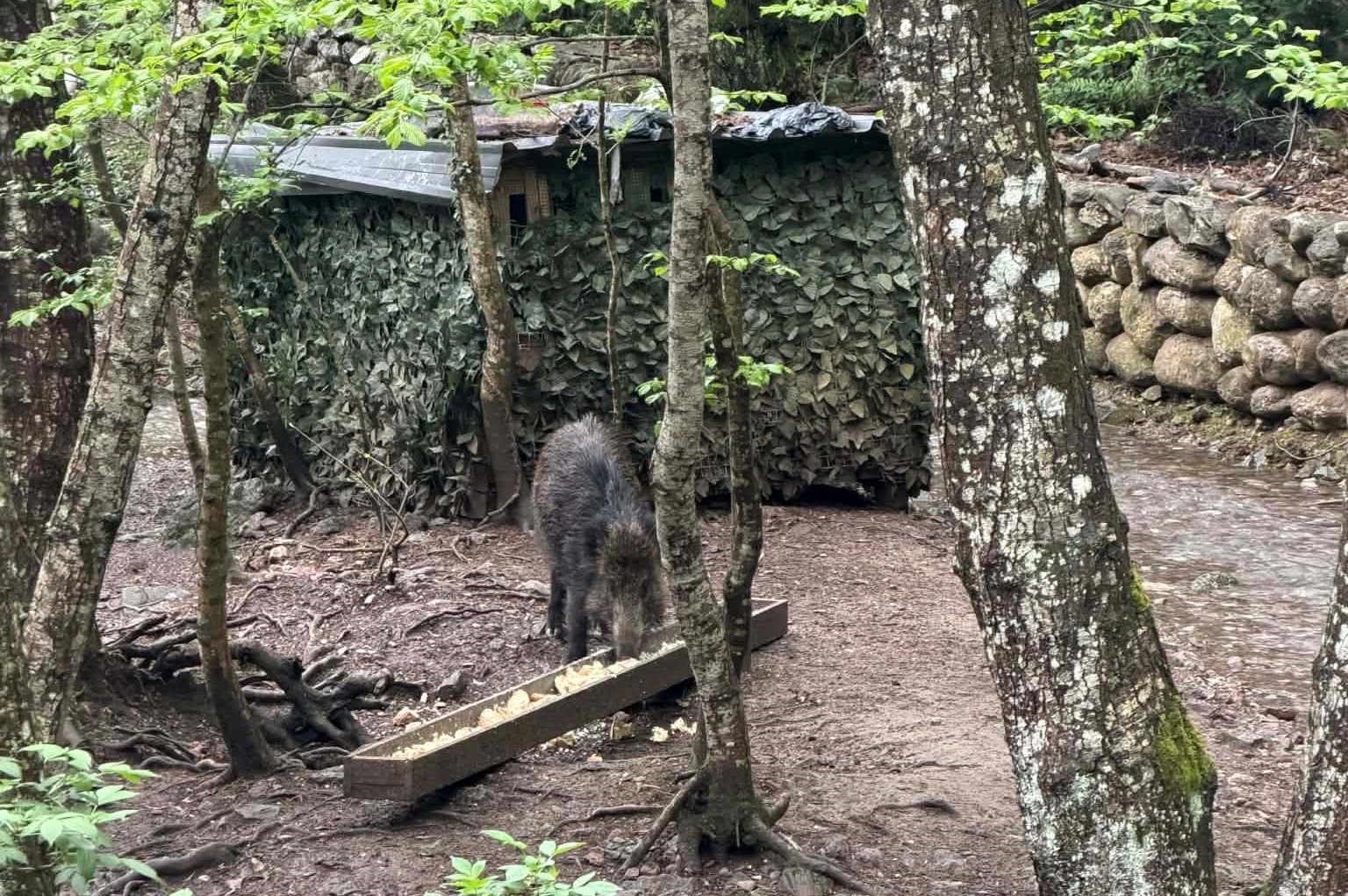
Based on data collected in the field, as well as materials published on social media, it has been established that individuals, non-governmental organizations, and public enterprises have repeatedly installed feeding structures for wild animals in their natural habitats without prior permission, authorization, or consent.
In parallel with these activities, several complaints and reports have also been received from citizens regarding wild animals approaching residential areas. Specifically, cases of brown bear sightings have been reported in several areas of Prizren and Dragash, as well as the presence of wolves in the territory of the Municipality of Istog.
The Institute for Nature Protection of Kosovo considers that these phenomena may be linked to intentional feeding practices, which may have contributed to changes in the behavior of wild animals, directing them towards easily accessible food sources and, consequently, towards inhabited areas, while also contributing to the disruption of the ecological balance in natural ecosystems.
Even more concerning is the fact that cases of feeding wild animals in their natural habitats have also been observed in National Parks.
Feeding wild animals, even when carried out with good intentions, creates several serious problems for the ecosystem and the wild animals themselves, including:
• Risk to public safety – the approach of wild animals to residential and tourist areas may cause fear, concern, and potentially incidents involving people.
• Changes in the natural behavior of wildlife – animals lose their instinct to search for food naturally and become dependent on artificial food sources.
• Disruption of the natural life cycle – direct interference with the ecological balance and functioning of the ecosystem. Artificial feeding can concentrate large numbers of individuals in one location, increasing competition, the spread of diseases, and disruption of the natural structure of populations.
• Risk of disease – more frequent contact between animals and unnatural food sources can contribute to the spread of diseases among wild animals and potentially domestic animals as well.
• Risk to animal health – the food provided may not be suitable or safe for the respective species.
• Increased human–wildlife conflicts – as a result of habituation and repeated approaches to residential areas.
• Dependency and reduced survival prospects – during periods when food is not provided by people, these animals may have lower chances of survival because they have become accustomed to not searching for food on their own.
Considering that the climatic conditions in our country are not characterized by extreme winters that would justify such interventions, the practice of intentional feeding is considered unnecessary and potentially harmful to the long-term conservation of wild fauna.
Based on the concerns presented above, the Institute for Nature Protection of Kosovo recommends that the Nature Inspectorate and other responsible authorities undertake measures that include:
• Field inspections in the identified areas, as well as in other potential locations, to verify the presence of feeding structures installed for wild animals;
• Identification and documentation of feeding sites, including recording the type of food and frequency of use;
• Immediate removal of unauthorized feeding sites, in accordance with nature protection legislation; and
• Taking measures against responsible entities and individuals, in cases where violations are identified.