25 August 2026
Loss of Natural Habitats
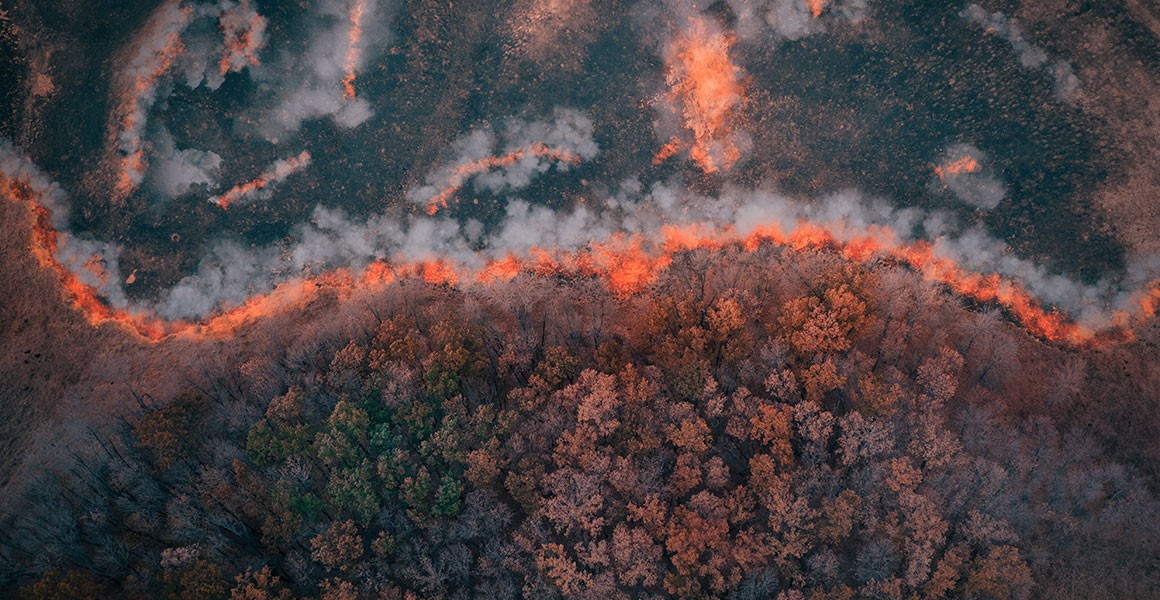
The burning of forests, shrubs, and vegetation destroys places where many species live and feed.
Decline in Biodiversity
The loss of plants, insects, birds, mammals, and other organisms can cause long-term changes in the ecosystem.
Displacement and Fragmentation of Fauna
Animals are forced to leave their habitats, while the remaining habitats may become isolated.
Loss of Sensitive Species
Species with limited ability to recover after a fire may permanently disappear from an area.
Soil Erosion and Degradation
The loss of vegetation cover exposes the soil to erosion caused by rain and wind.
Deterioration of Water Quality
Ash and sediments can be transported into rivers, lakes, and springs, affecting aquatic ecosystems.
Impact on Climate and Local Microclimate
The loss of forests reduces shade, moisture retention, and the ecosystem’s capacity to absorb carbon.
Damage to Pollinators
The loss of plants and insect habitats can affect pollination and the reproduction of many plant species.
Long-Term Forest Recovery
Even when vegetation begins to regenerate, a mature forest may require decades to recover.
Increased Risk of Recurrent Fires
Ecosystem degradation can make an area more vulnerable to future fires.
Loss of Genetic Diversity
When small populations of a species disappear from an area, genetic diversity and the species’ ability to adapt are also reduced.